The Japanese Tea Ceremony
茶道 · Chanoyu
Elegance and refinement are two aspects of the Japanese tea ceremony that lead, symbiotically, to the appreciation of beauty in the imperfections of things that surround us.
The tea ceremony is a fine art — an expression of movements and symbolisms that project a sense of calm and tranquillity that some Western visitors have described as mesmerising.
In Japanese the tea ceremony is called Chanoyu and has become a way of life in Japan over the last 500 years. Many Japanese people join circles of like-minded practitioners to pursue the Chanoyu on a weekly basis. Training usually requires about ten years of one-day-a-week lessons under the guidance of a teacher (sensei). This practice is called Chado.
Chado literally means "Way of Tea" and is the Japanese practical answer to the Western dialectic branch of philosophy called Ethics — a set of moral principles that govern a person's behaviour and conduct in daily life. It also teaches, emphatically, the art of gestures and movements in the preparation of matcha tea and the way in which it is served to guests attending the tea ceremony. This practice becomes also a relaxation technique.
“Tell me and I forget, teach me and I may remember, involve me and I learn.”
— Benjamin Franklin
How the Ceremony Unfolds
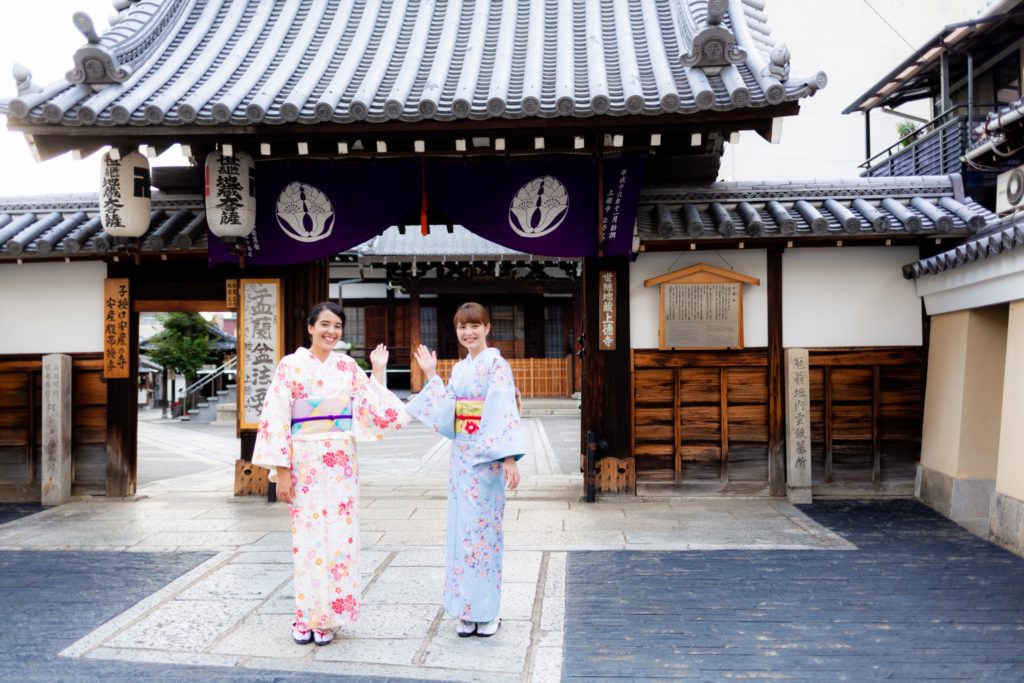
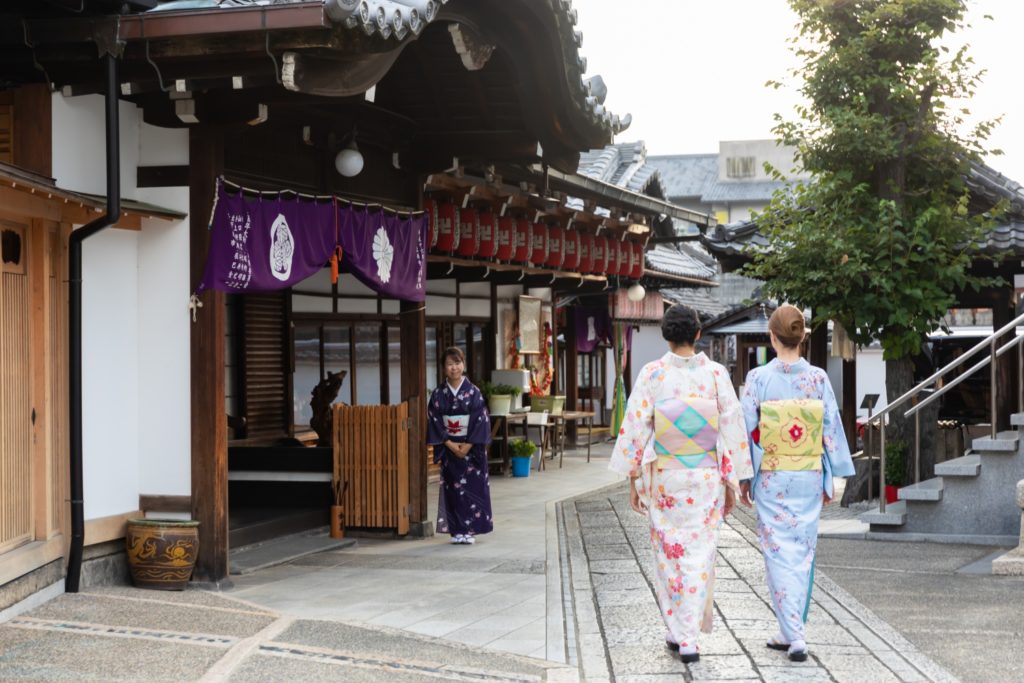
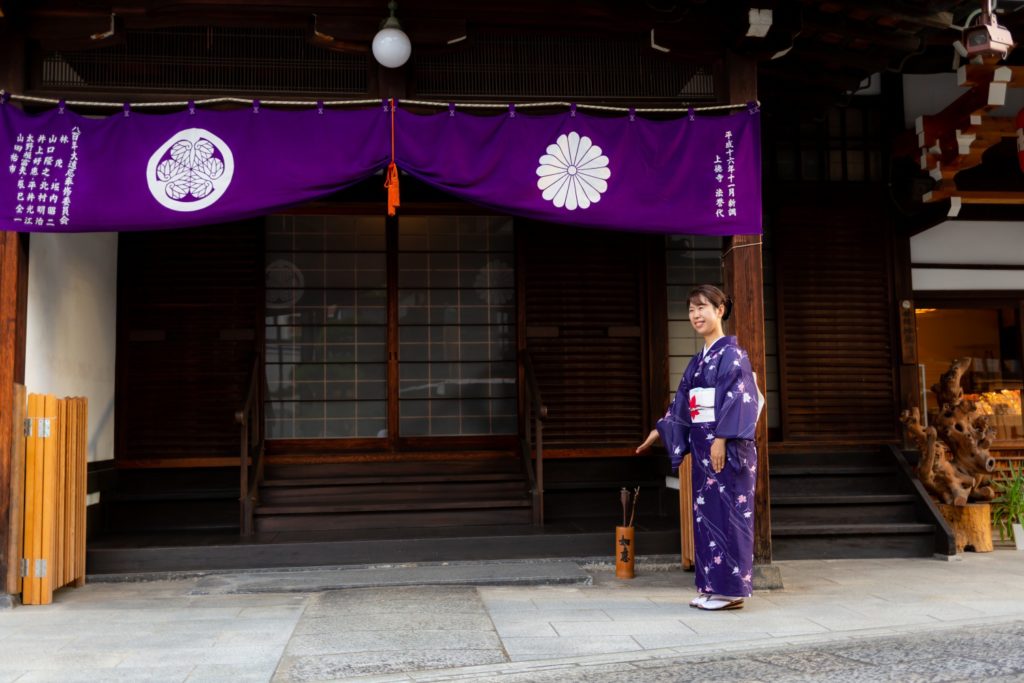
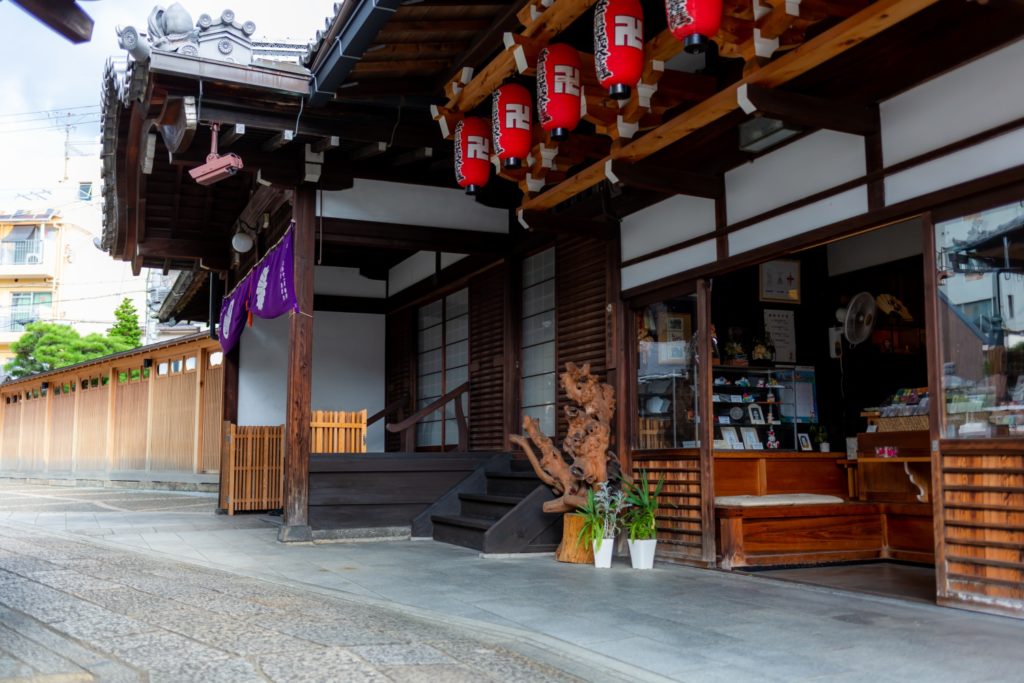
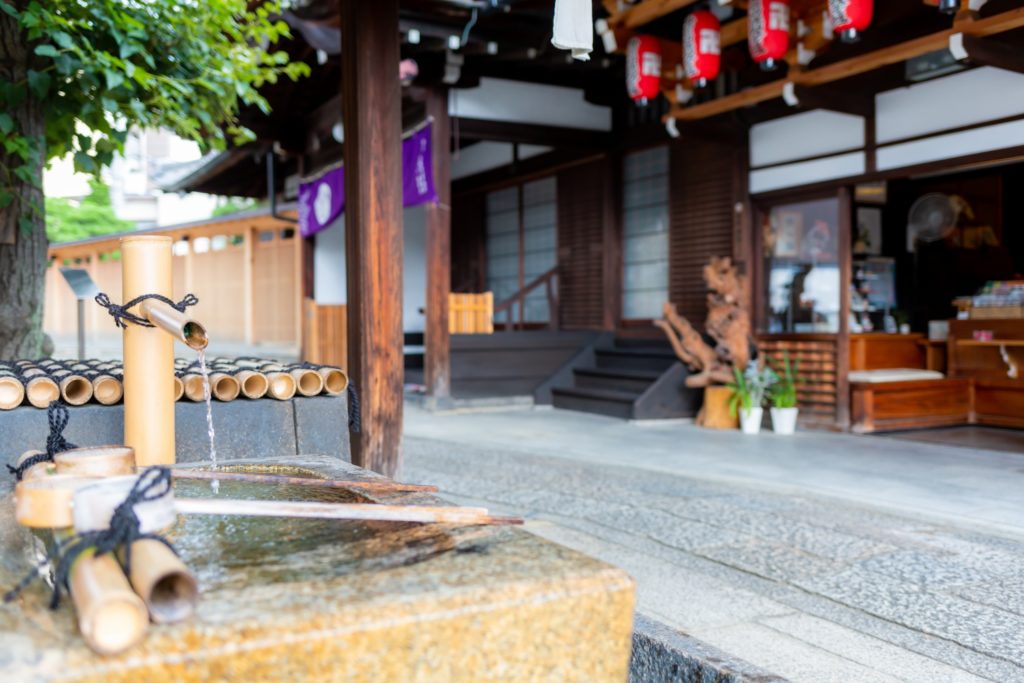
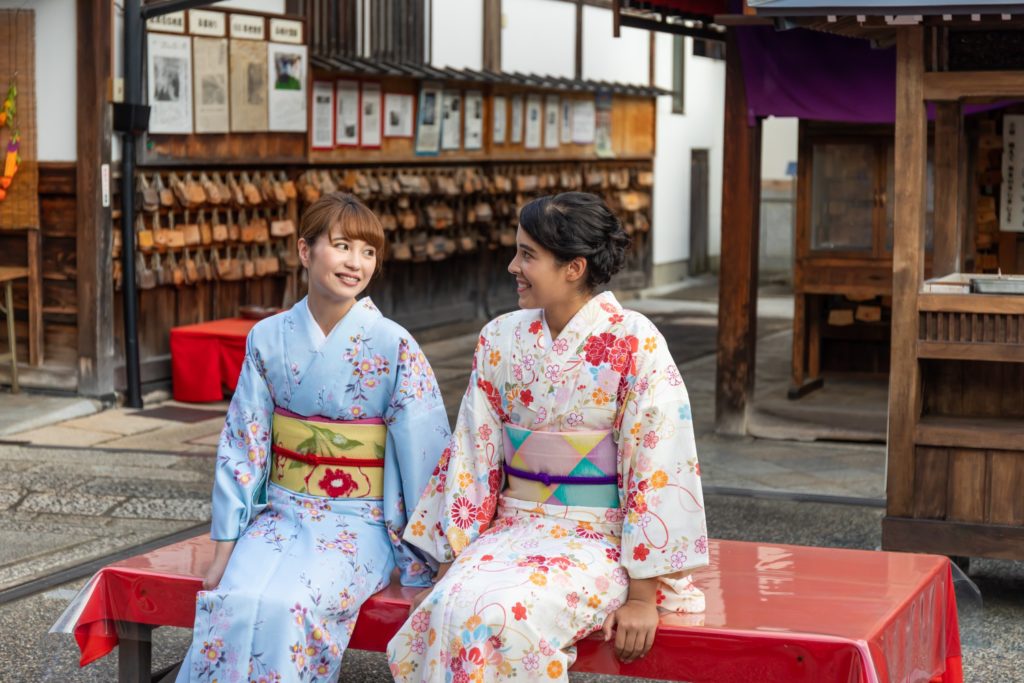
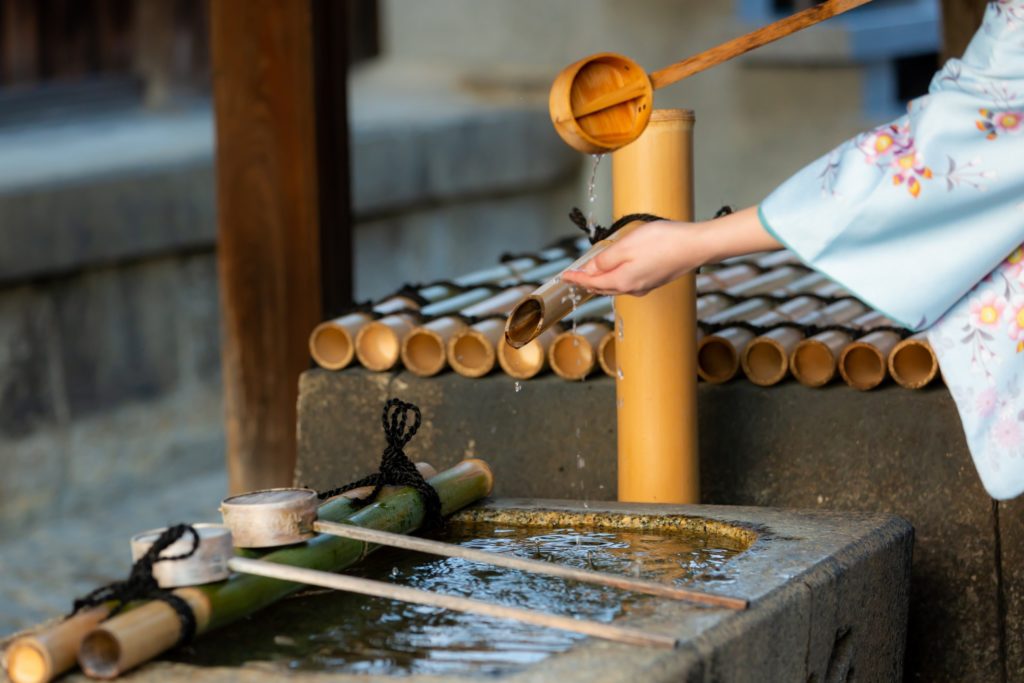
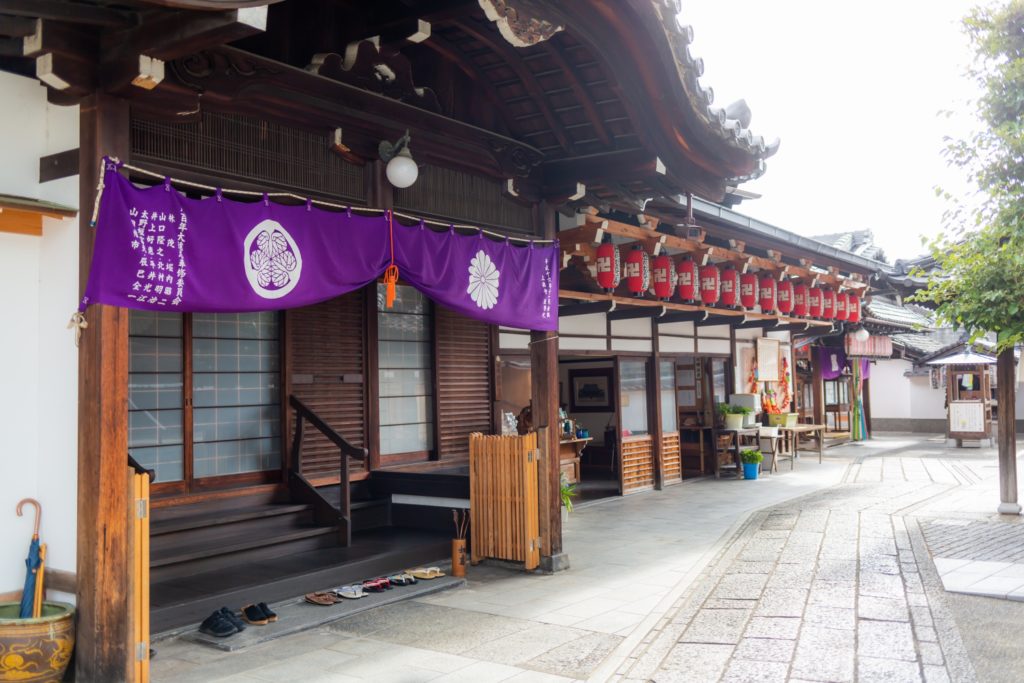
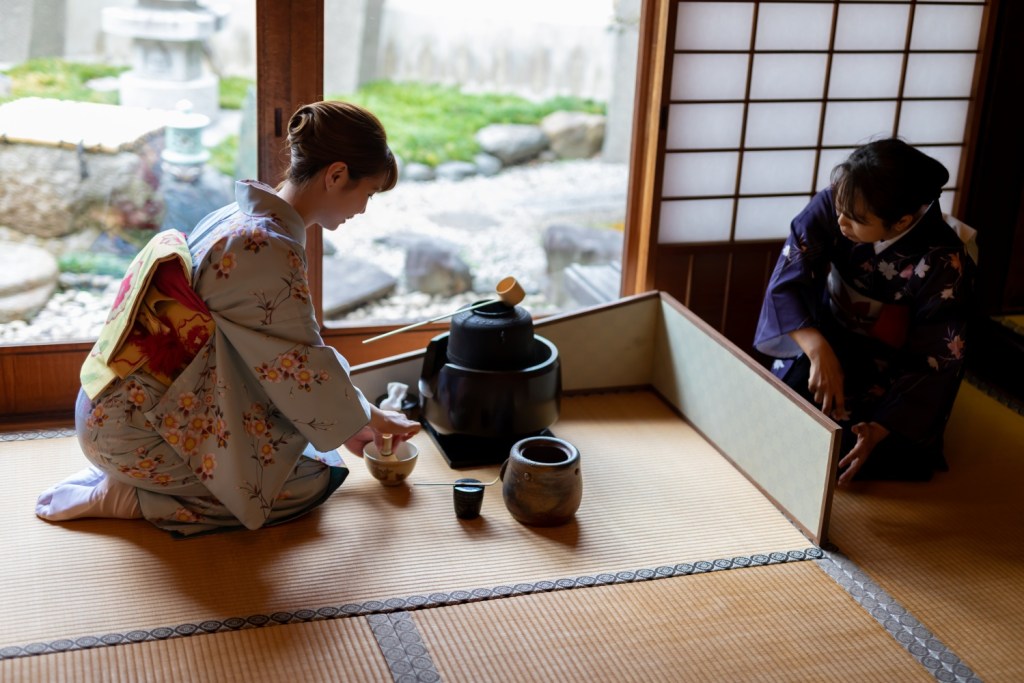
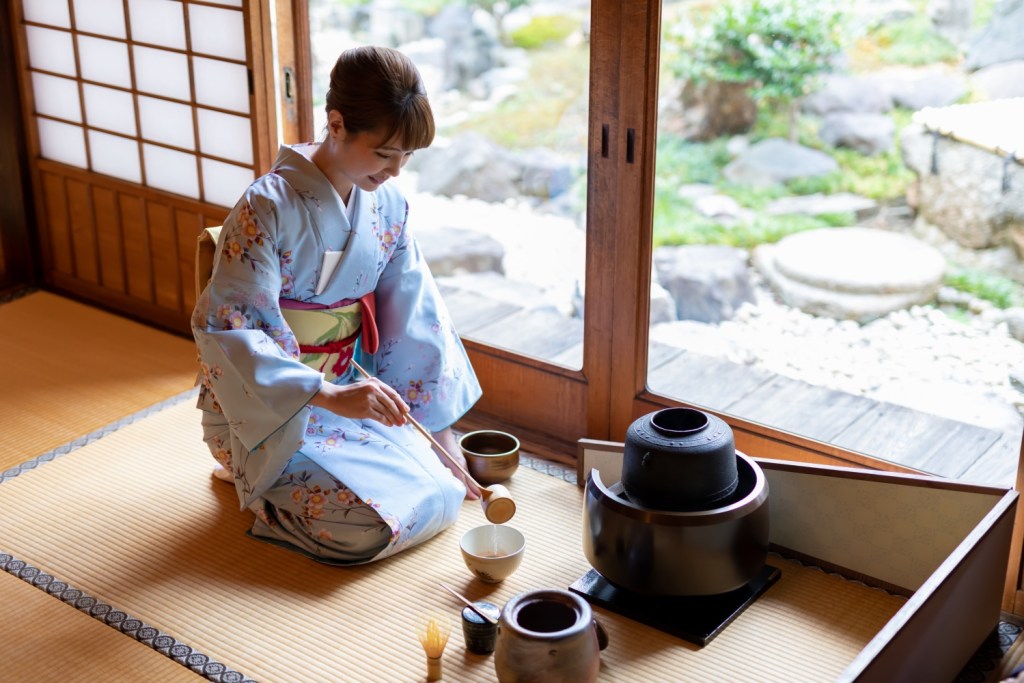
As you enter through the main gates of Jotoku-ji Temple, walk towards the meeting place. You will pass the entrance to the Grand Tearoom on your left and a shop beside it. Opposite is the purification fountain. Just beyond you will see the red benches — our meeting point. Here you are welcome to sit if the weather is fine; if it should be raining, you can stand under the gable of the shop or the Grand Tearoom. We will be there to welcome you inside.
Your tour of the Temple will take place followed by the purification procedure. Afterwards we remove our shoes at the entrance of the Grand Tearoom and proceed inside together.
The licensed Tea Master will guide you throughout the procedure and the making of matcha tea. The ceremony workshop will then commence.
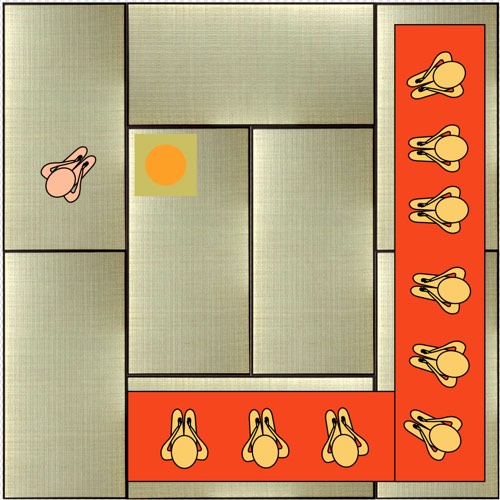
Seating in the Grand Tea Room follows the traditional seiza position. This can be an uncomfortable position for those unused to it — please seat yourself in whatever way is most comfortable. Stools are available on request.
Terms & Concepts
Relaxation
Because Chanoyu was largely shaped by Zen monks it focuses on perfection of mind and body and can be used to practise meditation and relaxation. Our bodies need relaxation to reduce the daily stress of modern life — boosting energy and mood, making life more full and complete. Chanoyu teaches a sense of calm and serenity that permeates throughout daily life. In Japan, the Way of Tea has been practised for many centuries both as a relaxation technique and as a formal ceremony for important occasions.
Chanoyu
This term literally means "hot water for tea" but its meaning is confined exclusively to the ceremonial practice of what in English is called the Japanese tea ceremony. It refers to an artistic performance in the preparation of matcha tea that even the Chinese people — the inventors of tea ceremonies — come to admire and experience in Japan.
Otemae
This word refers to the sequence of movements and techniques the Tea Master adopts in performing the tea ceremony — how the Tea Master enters the room, the steps and direction taken, the way the utensils are moved, used and revered, the bowl examined, the positions of the scoop, the ladle, the tea caddy. This entire procedure is called otemae.
The sounds of this preparation — the instruments and the hot water — compose what we at Ju-An call the Symphony of Tranquillity.
Note: male Tea Masters use the shorter form "temae"; female Tea Masters favour the fuller "otemae".
Tatami
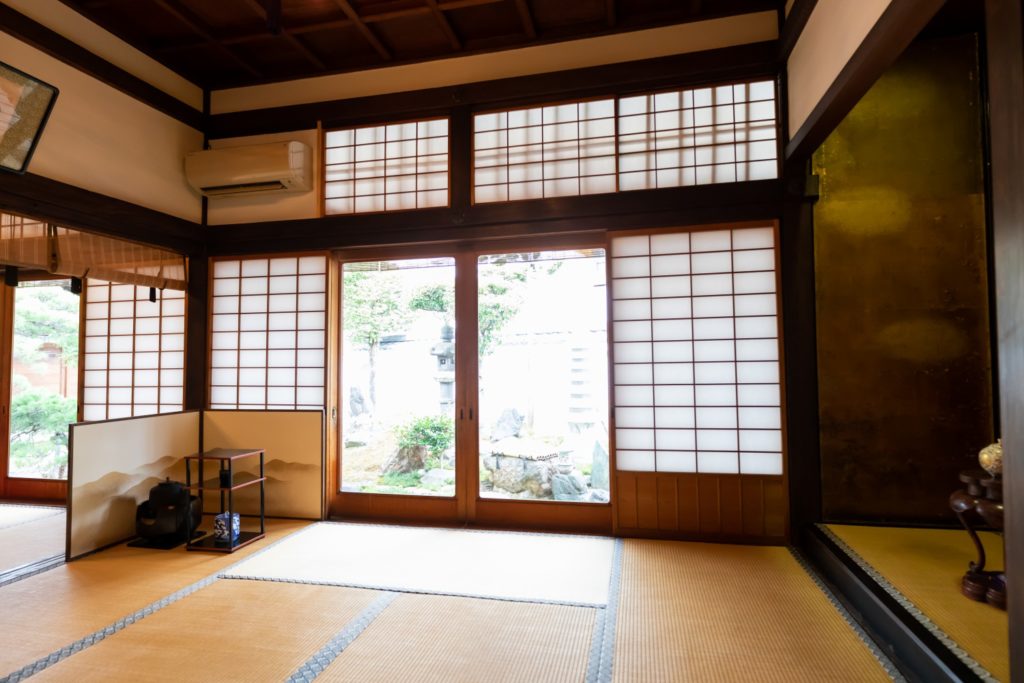
This word refers to the reed-straw mat used in the tea ceremony room. In the Kyoto area its size is approximately 1.91 metres long by 0.95 metres wide — covering a floor area of around 1.8 square metres. Along the edges there is a simple or ornate fabric border.
Chashitsu
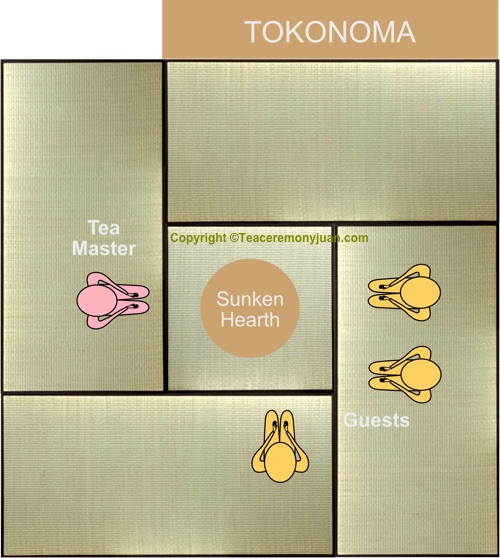
The word chashitsu refers to the actual building and room in which the tea ceremony is performed. Literally it means "tea hut" and can vary in size according to the number of tatami mats. Four and a half tatami mats was the size preferred by Sen-no-Rikyu, the founder of Chado, though six and eight mats are also common.
Tea Ceremony Ju-An uses two eight-tatami rooms — one in summer, when the brazier is placed in a corner to keep heat away from guests, and one in winter, where the brazier sits in a sunken hearth closer to guests for warmth.
Utensils
Several utensils are selected by the Tea Master according to the season and occasion:
- Chakin — a small rectangular white linen cloth used to wipe the matcha bowls
- Chawan — the matcha bowls used to prepare and drink matcha. Their shape can be regular or somewhat distorted, with apparent imperfections in line with the concept of wabi-sabi — the beauty of imperfection
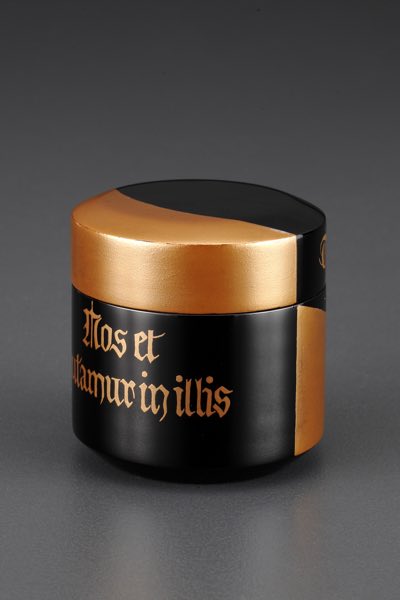
- Natsumē — a lacquered wooden tea caddy containing the matcha powder
- Chashaku — a bamboo scoop used to transfer matcha powder from the caddy into the bowl
- Chasen — a bamboo whisk used to mix the matcha powder and hot water inside the bowl
Tokonoma
The alcove in the ceremonial tearoom where the hanging scroll is displayed. The scroll typically depicts a calligraphic saying about the season or occasion, a famous poem, or a description of a famous place — written by a noted calligrapher or Buddhist monk and held in high regard.
Chabana
This word means "tea flower" — a very simple arrangement of a flower inside a bamboo vase that usually hangs on the main pillar of the Tokonoma or rests at its base. This practice is derived from the more formal Ikebana, the Japanese art of flower arrangement.
Tabi Socks
Temple etiquette requires the wearing of white socks. If you are wearing your own socks — of any colour — you are welcome to enter the tearoom as they are. If you are barefoot, a pair of white tabi socks is available to you free of charge at the entrance. Please keep them after the ceremony.

Reserve your place at Jotoku-ji Temple
Book Now →